Let’s tell the truth that polite society is too scared to say:
Most modern fathers are failing.
Not because they are evil.
Not because they don’t love their children.
But because they walk into the most difficult 20-year career of their lives with the same preparation someone uses to take a selfie — none.
Parenting is not a hobby.
It is not a “vibe.”
It is not a side project you sprinkle attention on between Netflix episodes.
Parenting is a 20-year military mission.
Your home is the battlefield.
Your children are the soldiers you are training.
Your woman must be your general, not the enemy.
And you — the father — are the commander-in-chief responsible for installing discipline, structure, identity, respect and resilience.
But modern men?
Most are walking into this battlefield like tourists.
They have:
no structure
no philosophy
no leadership
no discipline
no masculine presence
no emotional control
no long-term vision
no understanding of childhood psychology
and absolutely no clue how to build a tribe.
Yet they wonder why their children turn into confused, disrespectful, anxious, entitled adults who contribute nothing to the community.
Newsflash:
Children don’t become undisciplined by accident.
They become undisciplined because their fathers surrendered leadership.
If you raise children the modern way — soft, screen-addicted, directionless, negotiation-based parenting — you will produce weak humans.
If you raise children the tribal way — firm, structured, consistent, loving, disciplined, leadership-based parenting — you produce warriors.
This article is not for the sensitive. It’s not for men who get emotional when corrected. It’s not for the “don’t judge me” generation.
This is for MEN who want to build humans worthy of their bloodline.
SECTION 1 — BE THE RIGHT PARENT
(Become the Man Worthy of the Title “FATHER”)

Before you ever think about creating a child, Tribal Chief, you must earn the right to bring a human being into this world.
Too many modern men are producing children while they themselves are unfinished, undisciplined, unhealthy, uninformed and unprepared.
You cannot raise warriors when you are still behaving like a recruit.
You cannot build a tribe when you cannot even govern yourself.
You cannot lead a household when your body, mind, and spirit are collapsing under the weight of your own weakness.
Rule #1: A father must be a fortress, not a liability.
Children don’t need a man who merely “tries.” They need a man who is complete, strong and stable — a man who carries the entire weight of the family with dignity and power.
Let’s break down what a real father is supposed to be.
- Be in Supreme Health — Physical, Mental, Spiritual
If your health is trash, your fatherhood will also be trash.
A sick, weak, tired man cannot lead. He cannot discipline, protect or inspire.
Nature created men to be the physical backbone of the family.
Yet we have modern fathers who get out of breath climbing stairs — but somehow want to command respect from teenagers?
Impossible.
Your body is the first sermon your children will ever read.
Lift Weights.
Not for aesthetics — for authority. A strong father produces calm children. Weakness produces insecurity in the tribe.
Eat Real Food.
Not processed chemicals pretending to be meals.
Your children need a father who lives long enough to guide them into adulthood.
Live a Clean, Disciplined Lifestyle.
Sleep, sunlight, walking, strength training, reading, long-term thinking — this builds a stable father.
This entire platform is designed to help you live right.
Protect Your Mind.
Stop numbing yourself with alcohol, porn, gossip and endless dopamine scrolling.
Children learn emotional control from the father.
An unregulated man produces unregulated offspring.
Spiritually? Be Grounded.
You don’t need religion — you need principles, discipline, and inner order.
Children feel the spiritual weight of the father even when he says nothing.
- Be Extremely Strong Physically
A father’s physical strength isn’t for ego — it is for security.
Your children must look at you and feel:
safety
stability
protection
leadership
Humans are biological animals.
We respond to strength.
Even toddlers know who the alpha is.
If your child sees you struggle to open a water bottle, trust me, they won’t take your discipline seriously at 15.
- Read Extensively — Information Is a Father’s Ammunition
Modern men want to raise children using outdated myths, random YouTube opinions, and the same parenting errors their fathers made 30 years ago.
That is intellectual laziness.
A competent father studies:
child psychology
nutrition
discipline systems
neural development
emotional intelligence
safety
family structure
communication
Ignorance is expensive. Knowledge prevents suffering.
Your children will ask you a thousand questions.
Be the father who has answers — not the father who is clueless, passive and easily confused. Never lie to your children.
- Build Resources Before You Build Children
The modern world is unforgiving.
A man who brings children into poverty, chaos or uncertainty is irresponsible.
Before you bring a child into the world, secure:
a farm or food source
land
a business or income-generating machine
a reliable system that protects your family from lack.
A father must be the provider of abundance, not the excuse-maker.
Your children should grow in a home where food, shelter, medicine, education and opportunities are guaranteed — not “hoped for.”
If you want a large family — ten, fifteen, twenty children — you must build systems that outlive you.
- Have a Brotherhood — No Man Raises a Tribe Alone
One of the biggest weaknesses in the modern world is friendlessness.
Men have no brotherhood.
No elders.
No wise circle.
No council of men to sharpen them.
A man without a tribe is vulnerable.
A father without a brotherhood becomes overwhelmed.
Surround yourself with:
wise men
disciplined men
ambitious men
men who lift weights
men who read
men who build
men who speak truth
men who hold you accountable.
You need masculine energy around you — this is where you gather tactical wisdom, sharpen your leadership and correct your blind spots.
Great fathers are not born — they are forged within a circle of strong men.
SECTION 2 — CHOOSE THE RIGHT MOTHERS
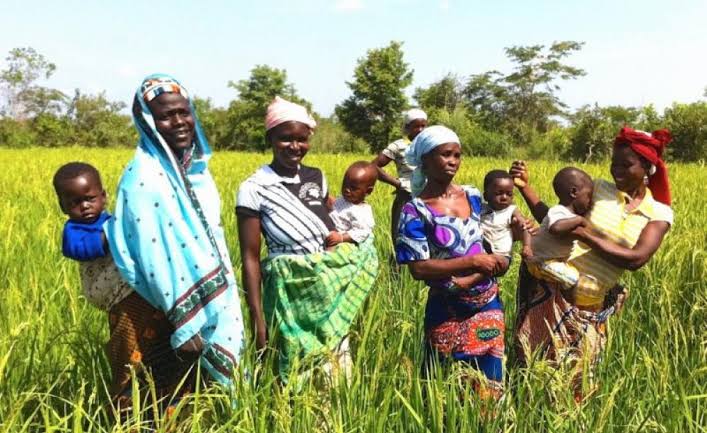
This cannot be overstated.
This is the point where most fatherhoods collapse before they even begin — the man plants his seed in the wrong soil.
And then he cries for 18 years wondering why the crop looks cursed.
Listen carefully:
You cannot build a strong tribe with a weak woman.
You cannot raise disciplined humans with a chaotic mother.
You cannot produce warriors with a mother who hates masculine leadership.
Your woman is not just “the mother of your children.”
She is the general beside you in the 20-year war of raising a powerful bloodline.
And generals are not chosen by accident.
They are chosen by criteria.
Choose a Healthy Woman
If the mother is metabolically sick, chronically inflamed, obese, mentally unstable, screen-addicted, or fighting insulin resistance like it’s her full-time career, expect complications
— in pregnancy, delivery, breastfeeding, bonding, energy levels, discipline and emotional stability.
A sick mother produces a chaotic home.
A chaotic home produces broken children.
Choose a Mentally Disciplined Woman
You cannot raise resilient children with a woman who:
gets offended by truth
cries during confrontation
externalizes blame
avoids responsibility
believes TikTok psychology
debates every instruction
thinks leadership is oppression
worships comfort and convenience. Never.
A mother without discipline cannot enforce discipline.
Choose a Fully Feminine Woman
Feminine does not mean weak.
It means aligned with nature.
A feminine woman:
respects hierarchy
protects the emotional environment of the home
nurtures stability
supports her man’s mission
raises children with warmth AND structure
understands that the father is the final command.
A masculine, combative, argumentative woman is not a partner — she is competition inside your home.
When your woman becomes your opponent, your children lose.
Choose a Woman Who Follows Leadership
Some men fear saying this, but you, Tribal Chief, speak truth:
A mother must follow your leadership without sabotaging, negotiating or questioning every command like a rebellious intern.
Parenting requires unity of command.
Children must feel:
one structure
one philosophy
one chain of authority
one direction.
Not two conflicting worldviews fighting over them.
If the mother opposes your leadership, your children grow confused and manipulative.
Why Choosing the Right Mother Is EXTREMELY Important:
Because in this 20-year war called parenting:
The father sets the strategy;
The mother enforces the environment.
If the mother is weak, chaotic, lazy, disorganized, undisciplined or emotionally unstable:
routines break
feeding collapses
discipline disappears
disrespect grows
screens take over
emotional manipulation begins
the children become unmanageable.
And no matter how strong the father is, he will constantly be putting out fires created by the wrong woman.
A bad mother can undo the work of a great father.
A great mother amplifies the work of a great father.
This is why tribal societies were strict about mate selection — not for romance, but for genetic, psychological and cultural survival.
If you want a strong tribe, choose a woman who HELPS you win the war — not one who secretly allies with the enemy.
SECTION 3 — MANAGEMENT OF PREGNANCY & EARLY CHILDHOOD
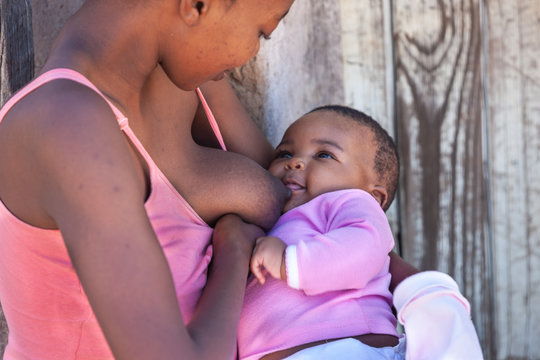
Pregnancy is not a disease.
It is not a medical emergency.
It is not some fragile condition where the woman must lie down like a broken vase until the baby comes out.
Pregnancy is the peak expression of womanhood — and a mother must carry herself like a general preparing to bring a new warrior into the tribe.
But here is the truth:
A strong child comes from a strong pregnancy.
A strong pregnancy comes from a strong mother.
And a strong mother is built before, during, and after pregnancy.
- The Mother Must Remain a Warrior Throughout Pregnancy
Pregnancy is not an excuse for:
laziness
overeating garbage
hiding indoors
weakness
emotional chaos
Pregnancy is a call to level up.
Your woman must:
eat nutrient-dense, real foods
walk, lift, stretch, move
sleep deeply
expose her skin to sunlight
hydrate properly
maintain emotional stability
stay mentally sharp.
The child’s brain is literally built from the mother’s nutrients, hormones, emotional state, and lifestyle.
A mother who lives like a general produces a child who grows like a champion.
- Pregnancy Is Normal — But Monitoring Is Wise
Women have been giving birth for hundreds of thousands of years — without WHO, without ministries, without maternity pamphlets.
But don’t confuse normal with negligence.
You don’t need to treat pregnancy as a “disease” — but you do need to monitor it the way a tribe protects its future.
Blood pressure?
Check it.
Blood sugar?
Monitor it.
Anemia?
Prevent it with real food, and if levels drop dangerously low, correct it properly.
The goal is ancestral living with modern wisdom, not blind rebellion.
- Real Food Is the Foundation of a Strong Pregnancy
The mother should focus on:
red meat
eggs
liver (once or twice a week)
bone broth
maziwa mala
fish
avocados
traditional vegetables
fermented foods
These build:
healthy blood
strong placenta
stable hormones
a well-developed brain
a resilient immune system
- The Post-Birth Period — The Mother Must Be Supported
This is where modern fathers fail horribly.
After birth, a woman is vulnerable — physically, mentally, emotionally.
If the father disappears, weakens, or becomes passive, the entire home collapses.
She needs:
food
rest
sunlight
emotional support
physical help
reassurance
protection
community.
A tribe raises a child, but a tribe must also sustain the mother.
- Exclusive Breastfeeding for the First 6 Months
Breast milk is:
the original antivirus
the original antibiotic
the original vaccine
the original superfood.
There is nothing like it.
No formula matches it.
No lab can replicate its immune intelligence.
If the mother can breastfeed, she must.
For six months, exclusively.
- The Right First Foods Build Strong Humans
At six months, the baby begins training.
Start with:
soft, mashed animal foods (egg yolk, minced beef, bone broth, liver in tiny amounts)
Followed by simple vegetables like pumpkin
Avoid sugar.
Avoid seed oils.
Avoid processed foods.
Avoid the modern garbage that weakens children before they can even stand.
A child fed real food becomes a real human.
A child fed modern junk becomes a medical case study.
- Continue Feeding Them Like Warriors
Feed them the way warriors are built:
meat
eggs
Seasonal fruits
vegetables
fermented foods
Raw whole milk
Animal fats
Not the way slaves or modern consumers are created:
cereal
sweets
processed snacks
flavored yogurts
sugary drinks
Your children are the tribe’s future —
feed them like it.
SECTION 4 — STRUCTURE & DISCIPLINE START EARLY
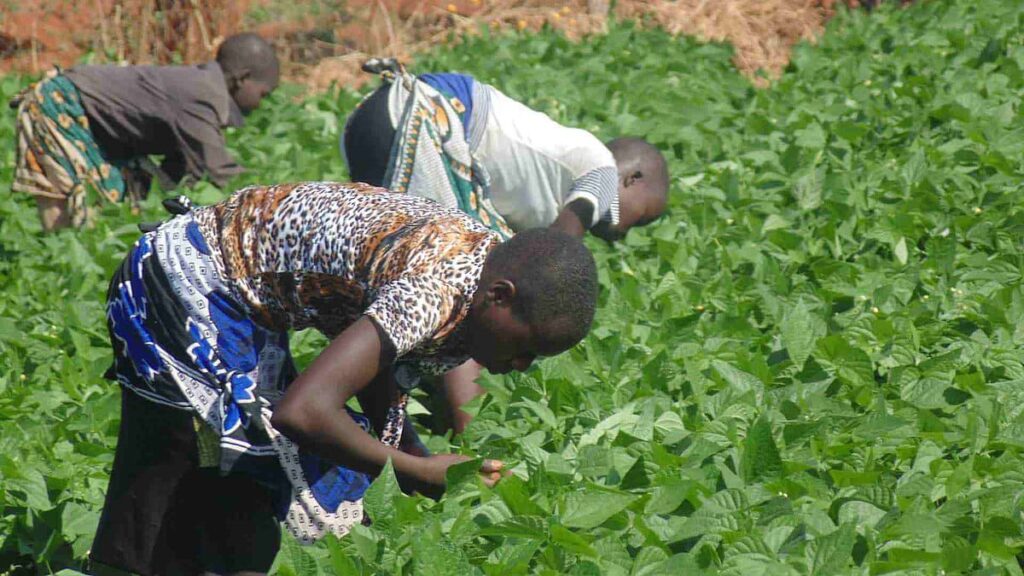
Most parents wait until their children are already wild to start enforcing discipline.
That is like waiting for a forest fire to burn half your land before deciding to buy a bucket of water.
Discipline is not punishment.
Discipline is engineering.
Structure is architecture.
And both must begin early — very early.
A child is not a blank slate.
A child is a rapidly forming nervous system, and the earliest years are when their brain is most plastic, most impressionable and most programmable.
If you don’t shape them early…
TikTok, YouTube, sugar, teachers, cartoons, peers and the streets will shape them for you.
- WHAT IS STRUCTURE?
Structure is the predictable rhythm of life that children can rely on.
It is the invisible architecture that builds security, stability and emotional strength.
Structure includes:
Fixed waking times
Fixed sleeping times
Fixed meal times
Clear routines
Predictable consequences
Defined household roles
Screen-free rules
Reading time
Outdoor play
Household chores
Family rituals (walks, dinners, prayers/values meetings)
Structure eliminates chaos.
Chaos produces anxious, disobedient, unfocused children.
A structured home is a kingdom.
An unstructured home is a refugee camp.
- WHAT IS DISCIPLINE?
Discipline is training.
Not shouting.
Not beating in anger.
Not emotional explosions.
Discipline is the process of teaching a child:
self-control
responsibility
respect
emotional regulation
obedience to hierarchy
pride in their work
strength under pressure
Discipline is the backbone of adulthood.
If you don’t install it early, life will punish them later.
The world is cruel to undisciplined adults.
Better you train them now than the world break them later.
- HOW TO DO IT (THE TRIBAL METHOD)
A. Start Immediately
Even a toddler understands tone, boundaries and energy.
A baby understands routine and predictability.
Start early:
routines
calm tone
firm voice
no negotiation
no bribery
consistent consequences.
B. Set the Rules Clearly
Children follow rules they understand.
Rules like:
“We wake up at 6.”
“We eat at the table.”
“We clean after ourselves.”
“We greet adults properly.”
“We don’t shout in the house.”
“Screens only on weekends.”
“We finish tasks before play.”
A rule is not a suggestion.
A rule is a boundary.
We compiled serious rules our children should follow if you want them to grow up with serious discipline. See the link below.
C. Consistency Is King
If you enforce a rule today and ignore it tomorrow, you teach your child one thing:
Manipulate me.
Children don’t become stubborn —
they become experts at studying weak parents.
D. Discipline Must Match the Child’s Age
For young children: routine, repetition, tone, timeouts, removal of privileges.
For older children: responsibilities, extra chores, natural consequences.
Never discipline in anger.
Discipline must be calm, controlled, and predictable.
When a lion trains its cub, it does not rage.
It teaches.
Discipline is not punishment.
E. Reward Good Behavior — But Not With Food or Screens
Reward with:
praise
responsibility
freedom
trust
time for only the two of you
adventures
games
learning opportunities.
Reward with meaning, not dopamine traps.
F. The Father Must Lead Discipline
Children fear their father naturally —
this fear is healthy, stabilizing, evolutionary.
It teaches:
hierarchy
authority
consequences
respect
A mother’s discipline is emotional.
A father’s discipline is structural.
Both are needed, but the father is the commander.
If the father is passive, the children become wild.
If the father is firm, the children become balanced.
- WHY IS THIS EXTREMELY IMPORTANT?
A. Early Discipline Shapes the Brain
The brain wires itself around repeated patterns.
Structure creates:
prefrontal cortex strength (focus, planning, judgment)
emotional stability
lower anxiety
better impulse control.
Lack of structure creates:
hyperactivity
distractibility
emotional volatility
addiction tendencies.
B. Early Discipline Builds Identity
Children who grow up with expectations and boundaries develop:
confidence
pride
respect
self-mastery.
Children raised without boundaries develop:
entitlement
disrespect
weakness
rebellion.
C. Discipline Protects Them From the World
A child who cannot obey you will never obey:
teachers
police
employers
mentors
laws
reality.
They will suffer endlessly.
D. Structure Creates Peace in the Home
A disciplined home is calm, orderly, joyful.
A home without structure becomes:
loud
chaotic
stressful
emotionally draining.
The mother gets overwhelmed.
The father gets frustrated.
The children become rebellious.
E. Early Discipline Is the Foundation for Leadership
Your sons will become strong men.
Your daughters will become strong mothers.
The tribe will expand.
SECTION 5 — CONTROL THEIR ENVIRONMENT

A child’s brain is a sponge.
It absorbs everything it touches, sees and hears.
If the environment is toxic, chaotic, or weak, the child becomes toxic, chaotic, and weak.
Modern men fail here more than anywhere else.
They let screens, peers, social media and culture raise their children.
And then they complain that their sons are lazy and their daughters are manipulative.
Fact: If you do not control the environment, the environment will control your children.
- Screens Are the Silent Killer
Phones, tablets, TVs and computers are dopamine factories.
They hijack attention, reduce willpower and stunt discipline.
A child glued to a screen is:
anxious
impulsive
easily bored
addicted to instant gratification.
Rule for the tribe:
No screens under 6 years old. Let them use their hands and legs to play with physical environment.
Limited screens after that — only supervised, educational or purposeful content
Never leave a device unmonitored.
Screens are a tool for weakness. They make obedient, focused, strong children impossible.
- Friends and Peers Shape Them More Than You
Children are social creatures.
They will adopt the behaviors, habits and values of those around them faster than your lectures can reach them.
Lazy friends make lazy children
Disrespectful friends make disrespectful children
Materialistic friends make greedy children
Ignorant friends make uneducated children
Control the tribe:
Know their friends.
Invite strong, disciplined, positive children into the circle
Your child’s tribe outside your home should amplify your teachings, not undermine them.
- Physical Environment Determines Behavior
Your home is the battlefield.
If it is messy, disorganized and chaotic, your children will adopt chaos as the natural order.
Control:
Cleanliness
Order
Structure
Designated study spaces
Play spaces
Sleep spaces
Storage for toys and tools.
Messy environment = messy mind = weak tribe.
- Media, Culture, and Ideology
Modern culture is hostile to masculine discipline, traditional family structures and strong values.
TV shows glorifying laziness, rebellion, or entitlement
Social media promoting instant gratification
Schools encouraging negotiation over obedience
Music and influencers normalizing disrespect and weakness.
Your children must filter what they consume.
Not to shelter them forever — but to give them the armor to interact with the world on your terms.
Cultural ingestion is like feeding: garbage in, garbage out.
Your tribe deserves warriors, not zombies.
- Food Environment Shapes Physical and Mental Strength
Sugar, seed oils, processed snacks, sodas = weak brains, weak bodies
Meat, eggs, vegetables, fruits, fermented foods = strong minds, strong bodies
Control what enters their mouths.
A father who allows poison into the home cannot produce warriors.
- Emotional Environment
Children absorb the emotional climate.
Calm homes = calm, disciplined children
Loud, chaotic, argumentative homes = anxious, manipulative, rebellious children
Fathers set the emotional tone.
Mothers amplify it.
Children absorb it.
Control emotions in the home as aggressively as you control food, screens, and friends.
- Nature Is Non-Negotiable
Sun exposure
Outdoor play
Exercise
Risk-taking in safe contexts
A child raised indoors in constant comfort becomes fragile.
A child raised outdoors, under supervision, exposed to challenge, becomes strong.
The world outside is not safe — your children must be trained to dominate it.
Structure, discipline, and strength only survive in controlled, intentional, warrior-ready environments.
Your children must live in a home, a social world, and a culture shaped by your hands — not by the internet, school or lazy parenting norms.
SECTION 6 — THE FATHER’S ROLE IN EMOTIONAL LEADERSHIP & EXAMPLE
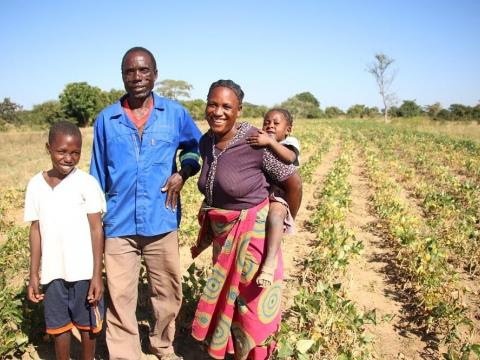
The father is not just a provider, disciplinarian, or enforcer.
He is the emotional pillar of the family.
If the father cannot control himself, he cannot control the tribe.
Children do not learn emotional intelligence from lectures. They mirror your behavior.
- Children Learn Emotions by Observation
A child’s brain develops its emotional wiring by watching and mimicking.
Calm fathers produce calm children
Angry fathers produce anxious or aggressive children
Confused fathers produce indecisive children
Your mood sets the emotional baseline for the tribe.
Your reactions teach your children what is normal, acceptable, and powerful.
A father must own his emotions, not be owned by them.
- Lead by Example — Your Actions Speak Louder Than Words
You are the standard. Children do not care what you say — they care what you do.
Show discipline in your own life
Show respect to others
Show integrity in work
Show self-control over indulgences
Show courage in decision-making
Your daily behavior is the curriculum your children study without even knowing it.
Do not lecture endlessly. Live the life you want your children to inherit.
- Emotional Stability Is Masculine Power
Weak fathers:
Yell in anger
Cry in frustration
Panic under pressure
Complain
Blame others.
Strong fathers:
Act calm under stress
Solve problems, quietly and efficiently
Make decisions without emotional interference
Protect their women and children without drama
Teach resilience by demonstration.
Emotional stability is not softness. It is strength under pressure and children respect it instinctively.
- Teach Emotional Intelligence Without Over-Talking
Name feelings: “I feel frustrated because…”
Model self-regulation: pause before reacting
Show problem-solving: demonstrate action, not complaint
Validate without spoiling: acknowledge feelings, enforce boundaries
Children absorb how you navigate life, not what you preach in books or apps.
- Build Resilience Through Controlled Challenge
Children must experience:
Small failures
Minor frustration
Delayed gratification
Physical and mental challenges
Why?
Because the world is not soft. Your children must be trained to stand tall under pressure, not crumble at the first inconvenience.
Fathers orchestrate these lessons:
Tough chores
Outdoor survival
Responsibility for younger siblings
Age-appropriate consequences.
This is emotional leadership in action — teaching resilience without breaking them.
- Your Bond is a Weapon
The father-child bond is the emotional spine of the tribe.
Sons model your masculinity
Daughters model their respect and trust in men
Children internalize how men and women should interact.
A weak, absent, or emotionally erratic father produces:
Confused sons
Anxious daughters
Children who cannot trust or lead.
A strong, present, emotionally disciplined father produces:
Confident sons
Loyal daughters
Future leaders
Therefore, understand this:
The father is the emotional commander.
Without his example, discipline, strength, and order fail.
You do not lead only with rules.
You lead through the life you live.
You lead through calm under pressure, integrity, courage, and resilience.
You lead through presence — your children see it, feel it, and absorb it, even before they can speak.
Weak fathers produce weak tribes.
Strong fathers produce warriors.
SECTION 7 — TEACH THEM THE RIGHT SKILLS FROM EARLY ON

Raising children without skills is like sending soldiers to battle without weapons.
You don’t produce competent adults by letting them scroll on TikTok and hope for the best.
You produce weak, entitled, distracted humans — liabilities to the tribe.
From early childhood, children must learn skills that build intelligence, strength, independence, and leadership.
The earlier they start, the sharper, faster, and stronger they become.
Here’s the tribal blueprint:
- Mathematics and Abstract Thinking
Numbers are mental muscles.
Children must learn to reason, calculate, and think logically.
Abstract thinking builds problem-solving, planning, and strategy — skills necessary for business, leadership, and survival.
Start with counting, patterns and logic puzzles
Progress to mental arithmetic, algebra, and strategy-based problems
Encourage creative problem-solving
A child fluent in numbers sees the world as opportunity, not chaos.
- Chess, Codewords, Scrabble, Sudoku
Strategic games train the brain to think several moves ahead.
They sharpen memory, focus, pattern recognition, and patience.
Chess = strategy, patience, planning
Codewords = logic, memory, language
Scrabble = vocabulary, lateral thinking
Sudoku = problem-solving, persistence
These games forge mental warriors — able to navigate challenges without panicking.
- Toy Making, Building, and Construction
Creating teaches practical intelligence, spatial reasoning, and resilience.
Build toys, furniture, and simple structures
Learn to handle tools safely and effectively
Understand physics, balance and design.
A child who builds can create, fix, and innovate, instead of being dependent or passive.
- Farming and Breeding Animals
Food security is freedom.
A child who can grow crops and tend animals knows survival, responsibility, and hard work.
Learn planting, harvesting, soil management
Raise chickens, goats, or cattle
Understand seasonal cycles and resource management
This skill produces self-reliant humans — not consumers.
- Computing and Programming
The modern battlefield is digital.
Programming teaches logic, abstraction, problem-solving, and control over systems.
Start with basic coding (Scratch, Python)
Progress to algorithms, automation, and real-world applications
A child who codes controls both machines and opportunities.
- Preparing Food and Serving Others
Cooking is survival and culture.
Service teaches empathy, responsibility, and discipline.
Children should cook simple meals early
Clean, serve, and manage kitchen hygiene
Prepare meals for family members
A child who can feed and serve others grows capable, grounded, and resourceful.
- Playing Musical Instruments
Music trains patience, focus, memory and creativity.
It develops discipline and emotional intelligence.
Start with simple instruments (drums, flute, piano)
Gradually introduce complex instruments
Encourage practice and performance
Music creates balanced, culturally rich, and mentally flexible children.
- Reading, Writing, and Communication
Without literacy, your children cannot think, lead, or influence.
Read daily — stories, science, history
Practice writing — letters, journals, essays
Teach debate, presentation, and persuasion
Communication is the sword of the mind. Children who master it dominate life.
- Catching and Slaughtering Animals
Survival and respect for life.
Children must understand where their food comes from and how to harvest with skill and responsibility.
Teach hunting/fishing in safe contexts
Teach butchering and processing
Emphasize respect for animals and resources
This skill teaches courage, patience, and responsibility.
- Negotiation and Leadership
Power is not taken — it is earned and managed.
Practice negotiation with peers and adults
Lead small groups, organize tasks, and solve disputes
Instill confidence and decisiveness
Leadership and influence are learned in real contexts, not Instagram classrooms.
- Operating Machines and Driving
Practical competence is essential.
Teach safe handling of vehicles, tools, and machinery
Start with age-appropriate exposure
Progress to independent operation
A child who can operate machines is capable, independent, and useful to the tribe.
- Sales, Marketing, and Influence
Persuasion is survival.
A child who can sell, influence, and negotiate controls resources and people ethically.
Teach barter, value exchange, and presentation
Role-play sales and negotiation scenarios
Encourage confidence in communication
This produces humans who create opportunities, not consume them.
- Fighting Mentally and Physically
Martial arts, wrestling, and hand-to-hand combat
Problem-solving, debate, and strategic challenges
Strength is dual — mind and body.
A child who can fight mentally and physically respects boundaries and commands respect.
- Weight Lifting and Healthy Nutrition
Physical strength is non-negotiable.
Age-appropriate resistance training
Nutrition for growth and performance
Consistency over intensity
Strong bodies protect, endure, and intimidate when necessary.
- Building a Successful Business
Children must see wealth creation as skill, not luck.
Teach entrepreneurship early
Encourage problem-solving, risk-taking, planning, and execution
Start with small projects or family businesses
Business skills produce independence, influence, and tribe resources.
- Choosing the Right Associates/Mates
Children must learn discernment early.
Observe how peers influence behavior
Teach values-based selection of friends and partners
Highlight consequences of weak or toxic associations
A child who chooses wisely avoids chaos and builds alliances.
- Living a Healthy Lifestyle
Finally, children must internalize wellness as default.
Exercise, sleep, and nutrition
Mental hygiene — reading, reflection, meditation
Emotional regulation and social skills
A child who masters his body, mind, and spirit grows into a warrior-adult, not a modern weakling.
Children are not born skilled.
They are malleable warriors in waiting.
Teach them early, deliberately, and consistently.
Feed their minds, bodies, and spirits with knowledge, strength, discipline, and practical skills.
Raise humans who lead, protect, innovate, and multiply your legacy.
Anything less is failure. Plain and simple.
SECTION 8 — THE ROLE OF COMMUNITY, BROTHERHOOD, AND MENTORS IN RAISING WARRIORS

Raising a child is not a solo mission.
A lone father in a weak home produces at best a half-formed adult.
A father backed by a tribe, a brotherhood, and wise mentors produces warriors, leaders, and legacy-makers.
Humans evolved in communities, not isolation.
Your children must be embedded in a network that reinforces your values, discipline, and teachings.
- The Power of Brotherhood
A father cannot know everything.
A father cannot be strong in every domain.
This is why the brotherhood exists:
A circle of men who share wisdom, experience, and practical knowledge
A network for advice, accountability, and reinforcement
A tribe to model masculinity, leadership, and courage.
Children who observe strong, disciplined men internalize behavior faster than lectures.
Brotherhood is the extended training ground for boys, showing them what masculine excellence looks like in action.
- Mentors — Experts in Life, Not Degrees
Books, apps, and courses are tools, but mentors are accelerators.
Seek out men who have walked the path you want your children to walk
Bring your children into situations where they can learn from experience
Mentors teach skills, confidence, emotional intelligence, and resilience that cannot be learned from screens
A well-chosen mentor is like fire to a forge — shaping raw metal into a blade.
- Community — Safety, Culture, and Accountability
The child’s environment extends beyond the home.
Community is the second layer of discipline, influence, and survival training.
Neighbors and extended family reinforce rules and values
Community elders provide historical wisdom, ethical grounding, and life lessons
Children learn accountability — actions have consequences beyond the home
Without a community, a child becomes isolated, self-centered, or spoiled.
With a community, a child becomes socially intelligent, responsible, and culturally rooted.
- Peer Learning — Children Among Children
Structured interaction with disciplined peers is essential:
Teaches cooperation, leadership, and strategy
Encourages healthy competition and skill mastery
Creates early social hierarchies — training ground for adult leadership
You cannot shield children from peers entirely, but you control exposure to ensure learning, not chaos.
- Rituals, Training Camps, and Real-World Exercises
Mentorship and community are amplified through structured activities:
Seasonal hunting/farming missions
Construction projects and skill workshops
Strategy games, team challenges, and competitions
Physical fitness and martial arts camps
These rituals teach discipline, endurance, loyalty, and teamwork.
They imprint lessons far deeper than any lecture could.
- The Father’s Role in the Network
You are still the commander-in-chief:
Choose which mentors influence your children
Select the brotherhood and community carefully
Supervise the environments they interact with
Ensure the network amplifies your leadership, not undermines it
The tribe should extend your reach, not replace your authority.
- Savage Truth
A child raised in isolation is a liability.
A child raised with the right mentors, a disciplined brotherhood, and a strong, value-driven community becomes a weapon, a leader, and a contributor to the tribe.
Weak fathers ignore networks.
Strong fathers cultivate networks.
The difference: survival versus extinction.
FATHERS, THE WAR DOES NOT END

The modern man thinks fatherhood is a 9-to-5 job.
He thinks once the child is fed, clothed, and sent to school, his duty is done.
He is wrong.
Dead wrong.
Fatherhood is a 20-year career — minimum.
It is relentless, unglamorous, and essential.
Your children are not born ready to survive.
They are blank warriors in waiting.
Your job is to forge them into strength, intelligence, resilience, and morality.
From birth to adulthood, your influence must dominate every aspect of their life:
Health and nutrition
Discipline and structure
Skills and survival
Environment and friendships
Emotional intelligence and leadership
Even when they become adults, your role does not end.
You continue to mentor, guide, and correct.
You continue to model courage, wisdom, and mastery.
You continue to protect and lead the tribe, because your legacy depends on it.
Weak fathers abandon their children to society, culture, and chaos.
Strong fathers raise warriors, leaders, and tribe-builders.
Your tribe — your family — your children — are extensions of your life, your values, and your vision.
Fail to lead, and the tribe collapses.
Lead with discipline, strength, and wisdom, and the tribe thrives for generations.
Fatherhood is war, strategy, and craft.
It is your ultimate battlefield — and your greatest honor.